
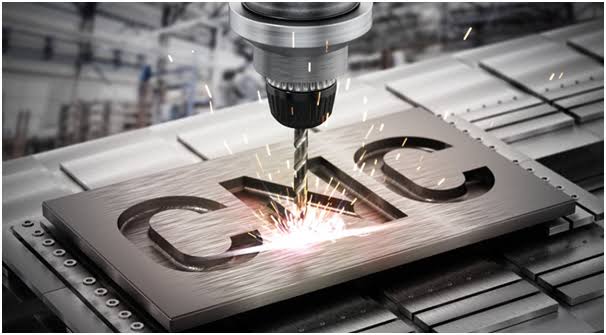
When a busy shop has more confirmed work than available spindle time, adding a machine may help. A suitable used CNC can expand machining capacity, particularly when an available model meets the job requirements at a lower purchase cost than a comparable new machine.
Start with the bottleneck, not the machine
Capacity problems are rarely spread evenly across a shop. One process holds up everything else while other machines wait for parts.
Look at where quotes stall, or delivery dates slip. In many high-mix shops, the vertical machining center queue is the choke point, with setups stacked up and second shifts already stretched thin. In others, turning is the limit, and milled parts sit on carts until the lathe frees up. Job logs and outsourcing bills often point to the same answer within a few weeks of data.
That queue is the bottleneck. Adding the right machine there increases output rather than leaving another piece of equipment idle.
Add a second machine that fits the shop
Once the constraint is clear, match the purchase to the work. A shop short of milling capacity might benefit from another vertical machining center with the travels, spindle, and workholding needed for its repeat parts.
A familiar control can reduce training needs, but shared branding doesn’t guarantee compatibility. Check control generation, available options, and machine configuration before planning to reuse programs. Postprocessors, macros, offsets, and clearances still need review and safe prove-out on the receiving machine. Confirm local service availability and replacement parts support for the exact model, too.
Matching existing workflows can be more useful than adding unfamiliar features.
Don’t chase the biggest envelope or the newest options package. A used lathe with the right chuck size, bar capacity, turret layout, and parts catcher may fit current work better than a larger machine that needs different tooling. Compare those details against actual part drawings and expected batch sizes, not a wish list.
Staffing matters as well. A second spindle adds potential machine hours, not operator hours. Check whether the team can handle the added setups, loading, and inspection without creating another queue. Familiar equipment may ease training, but it doesn’t eliminate the need for qualified people to run it.
Make inspection and setup part of the plan
A used machine’s suitability depends on its current condition and the work it needs to perform. Inspection and maintenance records matter more than fresh paint.
Ask for spindle hours and maintenance logs before traveling to see a machine. High hours don’t rule out a purchase, yet they change what to check and what to budget for repairs. Look at way surfaces for wear, listen to the spindle across the speed range, check backlash on each axis, and run the tool changer and turret through full cycles. Coolant tanks, chip conveyors, level, and guarding matter too, since neglect there often signals wider gaps in care. A test cut on a familiar part tells more than a clean floor and fresh wipers.
It also helps to buy where service backup exists. A search can start with in-stock inventory of quality used CNC equipment to compare control generations and configurations. Ask the seller whether the specific machine can be inspected under power and what measurements or test-cut results are available. Written findings help identify repair needs before purchase; technical support and delivery responsibilities should be confirmed separately.
Plan for the move as part of the purchase. Used machines still need floor space, foundation checks, air and power drops, and a rigging crew that knows how to handle a machining center or lathe without damage to castings. Postprocessor tweaks, workholding, coolant fill, and first-article testing should be on the schedule before the truck arrives. Once it is in place and level, set a preventive routine for filters, coolant concentration, way lube, and backup of parameters and programs.
Also Read: Thermal Mass Flow Meter – A Brief Guide
Keep the budget and schedule realistic
Price gets attention, but cash flow decides if expansion sticks. Used equipment often leaves more room for the extras that make a machine earn.
Financing may cover some project expenses, depending on lender terms and eligibility, but borrowing also adds interest and obligations. A capacity estimate should compare the added work’s contribution after labor, tooling, material, and other operating costs with the full project cost. Total shop sales alone don’t show whether another spindle makes economic sense. Allow for setup time, maintenance, and a realistic ramp-up rather than treating every available hour as billable production.
Limits still apply. Available machines still need inspection, transport, hookup, and prove-out, along with trained people to run them. High-value work for aerospace or medical customers adds another check, since tolerances and records must hold from the first lot. Build time into the plan for proving programs and documenting the process so the added capacity is steady.
Shops that treat a used purchase like a capacity project get more from it. They address the constraint with a familiar control, inspect the machine carefully, and account for the full cost of the move. That preparation puts the added spindle in a better position to handle the next wave of orders.